
Integrated Environmental Leadership: Multi-Year Baseline Programs
Overview
Since 2022, Cornice Environmental Consulting Ltd. has supported the FPX Baptiste Nickel Project in partnership with Ecofor Consulting, contributing senior environmental leadership to a large-scale baseline and environmental assessment program located northwest of Fort St. James, BC.
Recently identified as a critical minerals project by the Government of British Columbia, the Baptiste project requires coordinated environmental delivery across multiple disciplines, teams, and years of data collection.
Cornice’s role has focused on maintaining continuity, strengthening technical delivery, and building capacity within the broader project team.
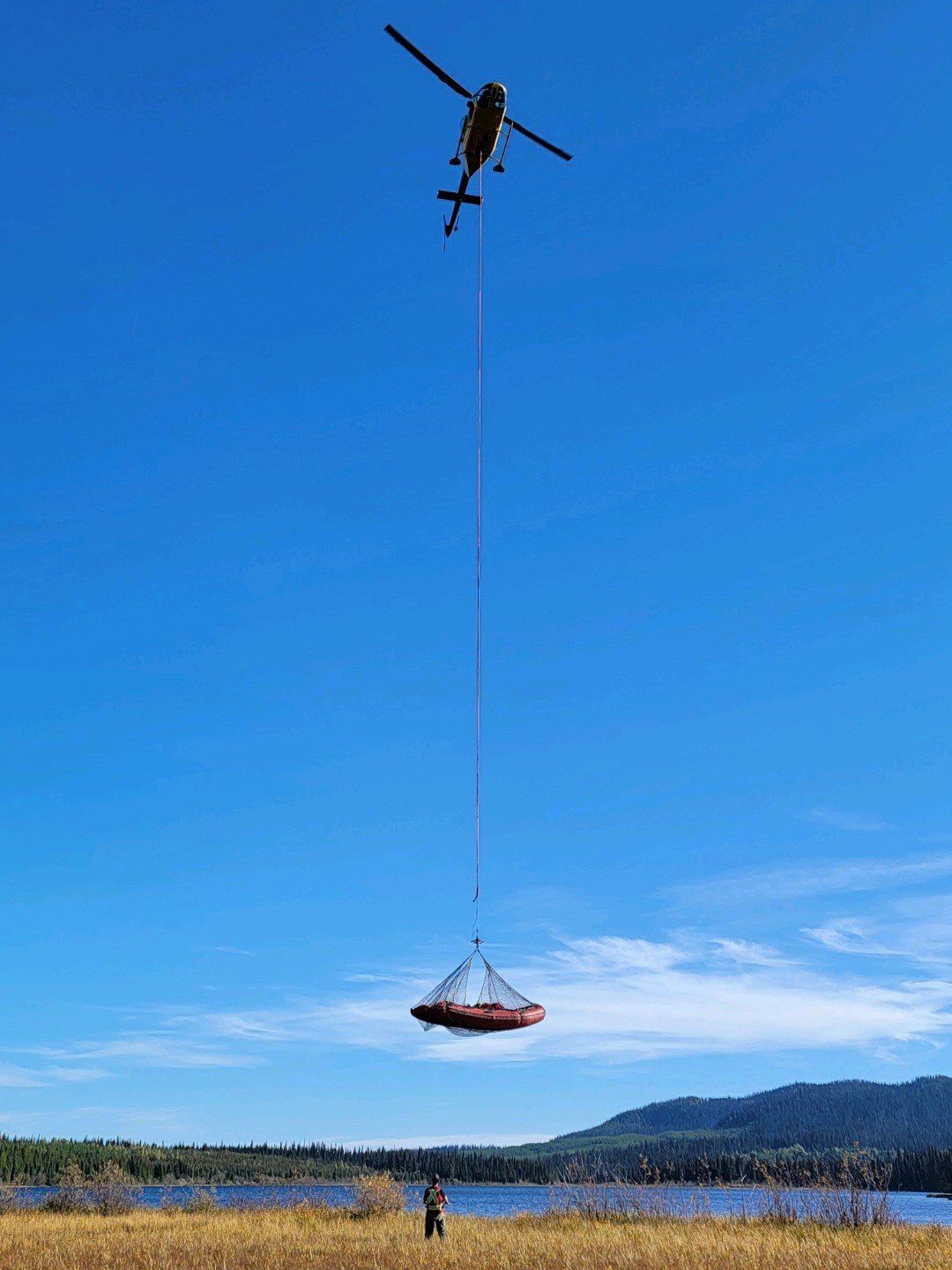
When Jim needs a boat, he will get you a boat. Decar near Fort St. James, BC
The Challenge
The project involves multi-year baseline studies across a large and ecologically diverse area, including headwater streams, lakes, and wetland systems.
Key challenges included:
Coordinating consistent standardized data collection and reporting across multiple field teams and seasons
Aligning field execution with evolving environmental assessment requirements
Supporting integration between technical disciplines and project delivery teams
Maintaining continuity and quality control across a long-duration program
Building field capability within both consulting teams and First Nations participants
Baseline programs of this scale require more than technical execution — they require structure, consistency, and leadership over time.
The Approach
Project Control and Delivery Integration
Goal: ensuring consistency in approach, data quality, and reporting across multiple seasons and contributors.
Provided Discipline Lead support for fisheries and aquatic baseline programs
Maintained continuity between multi-disciplinary field programs, data interpretation, and reporting deliverables
Acted as a liaison between field teams, technical specialists, and project delivery leads
Supported alignment between subconsultant outputs and overall project requirements
“Strong baseline programs are built through consistent execution and aligned teams.”
Technical and Regulatory Support
Goal: Supports the development of a robust technical foundation for future permitting and project design.
Led and supported aquatic baseline study design and implementation
Contributed strategic technical support to terrestrial and wildlife programs
Provided senior review of fisheries and habitat data to ensure defensible outputs
Identified data gaps and supported adaptive adjustments to field programs
Contributed to baseline reporting aligned with environmental assessment requirements
Training and Capability
Goal: Training was integrated into active project delivery — ensuring immediate application and long-term capability within the team.
Delivered field-based training to Ecofor staff and First Nations members
Focused on building practical competency in fish and aquatic habitat assessment
Provided real-time guidance during field programs to reinforce standards and methodology
Supported development of consistent field practices across teams
Outcome
Supported existing technical capacity and strengthened consistency across multi-year baseline programs
Leveraged established team capability into increased confidence, clarity, and field execution quality
Improved alignment between field data collection, interpretation, and reporting requirements
Strengthened integration between consulting teams and First Nations participants through applied, field-based training
Maintained continuity across a large, multi-disciplinary environmental program
Contributed to a defensible baseline dataset supporting environmental assessment and future permitting